Home / Approach
How I work

Peace. Ease. Release.

Breathwork and meditation aren't two separate offerings here — they're one practice, seen from two angles. Meditation trains the attention that makes breathwork possible. Breathwork moves what stillness alone can't always reach. Both move through the same three-part arc.
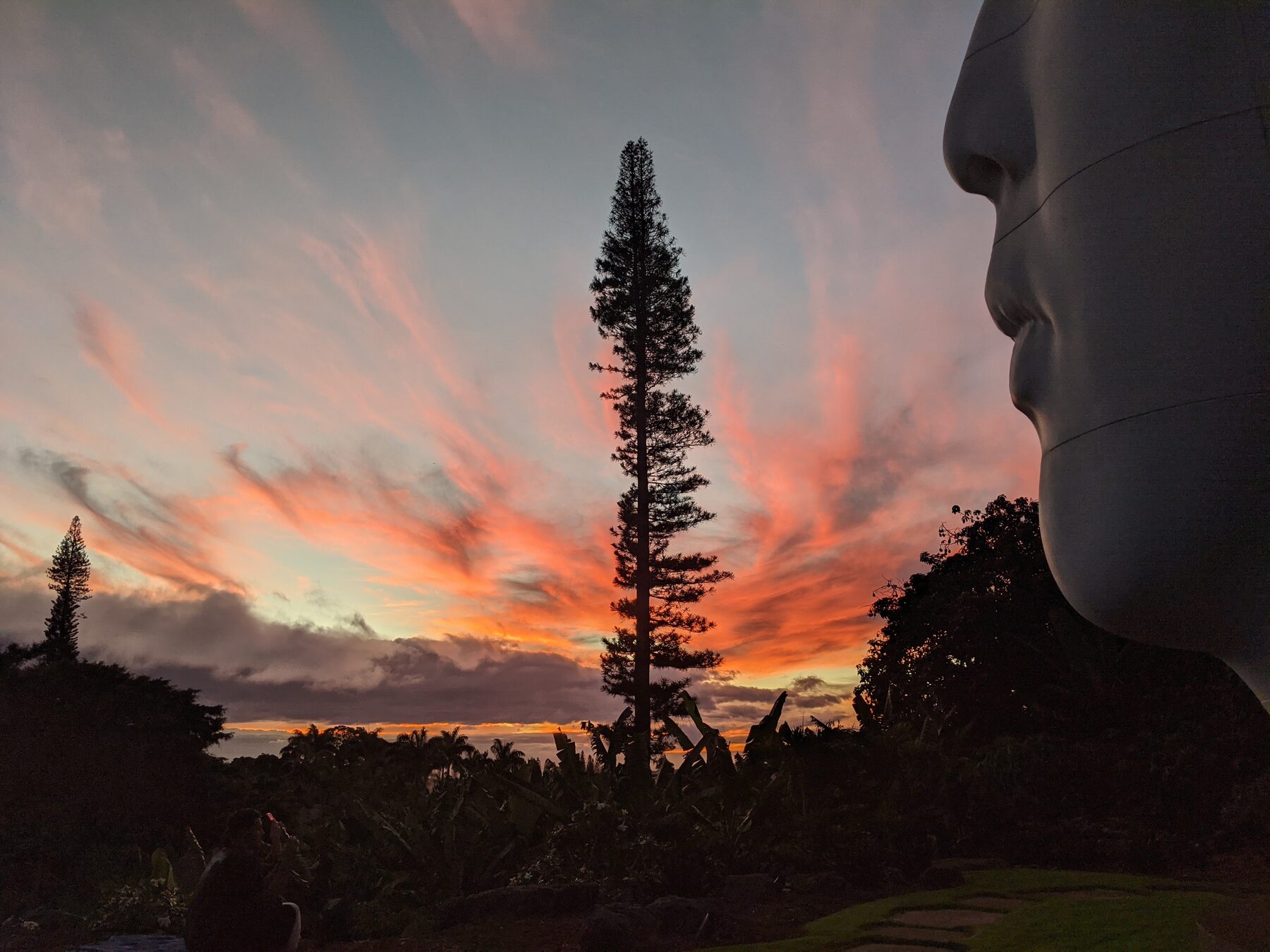
Sunset light over the water at Talaia

"There is one way of breathing that is shameful and constricted. Then there's another way; a breath of love that takes you all the way to infinity."

— Jalāl al-Dīn Rumi

The framework

Three moves, one cycle.

Every session — whether we're breathing together or sitting in meditation — moves through the same three phases, again and again, belt by belt, layer by layer.

Ground in a resource of safety in the body. Integrate into a deeper state of balance and fluidity. Easing into the activation that's already here. Allow dynamic movement, expression, and energetic flow. Peace Release Ease
Peace

Start with what already feels good.

Most people assume meditation is about stopping distressful thoughts, or that breathwork should start by digging straight into what hurts. I do the opposite. We begin by growing what Dr. Rick Hanson calls positive emotional resources — ease, joy, safety, love, pleasure, spaciousness. Focusing on the felt, somatic experience of these states restores balance to a culture that lives mostly in the head, and it turns practice into a welcome refuge instead of one more thing to push through.

This isn't a warm-up we rush past. It's the resource we keep returning to, the spaciousness that holds activation, the quiet wholeness of integration.

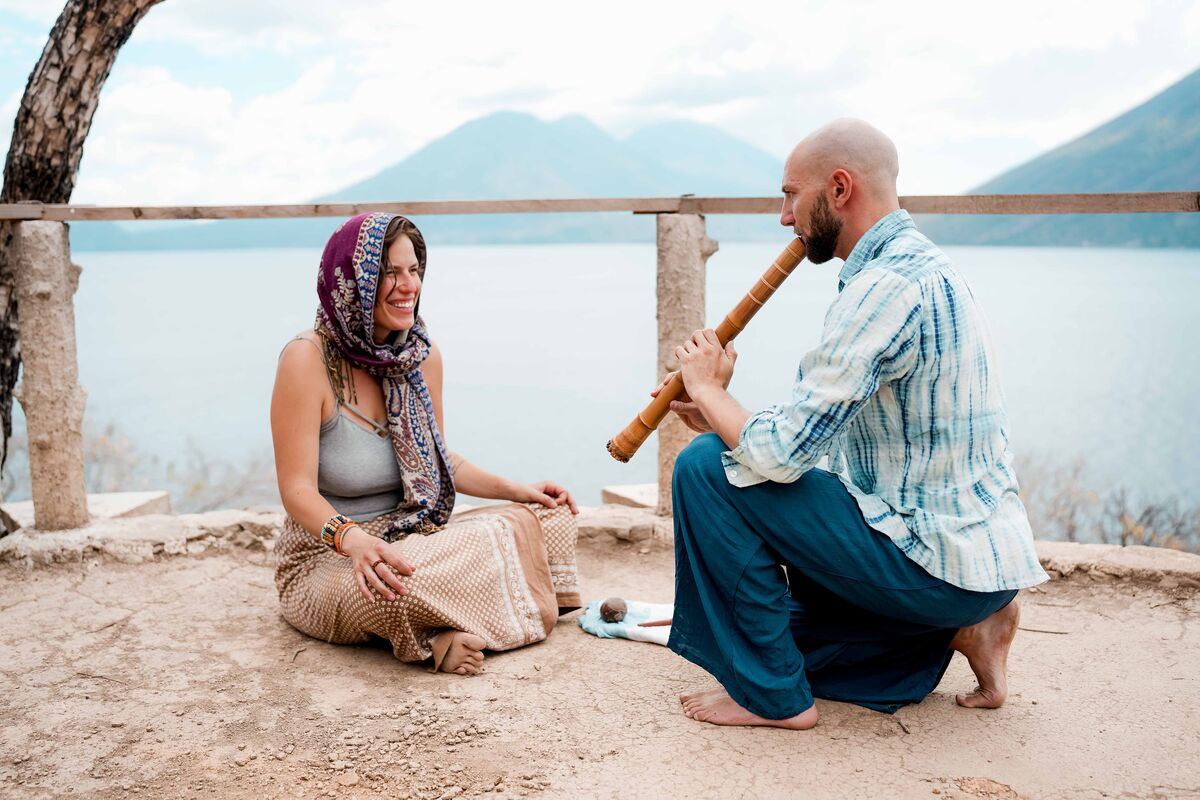
Nico smiling during a shaku ceremony

"What you practice gets stronger."

— Dr. Shauna Shapiro

Ease

Allow what's already here.

So much of our lives are spent controlling — consciously, and even more unconsciously. We brace against the energy that's stuck inside us, grasping for whatever we think will finally fix it. Meditation teaches something different: to listen, and to allow. Not holding on, not pushing away — just letting what's here be as it is, and letting your system move as it needs to.

In breathwork, that same allowing becomes the practice: listening for where stuck impulses are held, tracking your body's level of activation, and titrating and pendulating only enough to invite the energy that's ready to move. Some approaches push hard for release. This isn't that — it's an invitation, not a demand. Ease is what happens when we stop forcing the healing and simply allow it.

I've learned the same thing through touch. So much bodywork reaches for deep, forceful pressure — but again and again, I find a soft, patient touch does more. It meets tissue where it already is, instead of working against it, and lets the release happen because the body's ready, not because it's being pushed.

What ties all of this together is the container itself — a space held without judgment or expectation, where whatever's ready to emerge is welcome, whether that's stillness, tears, laughter, or nothing at all.

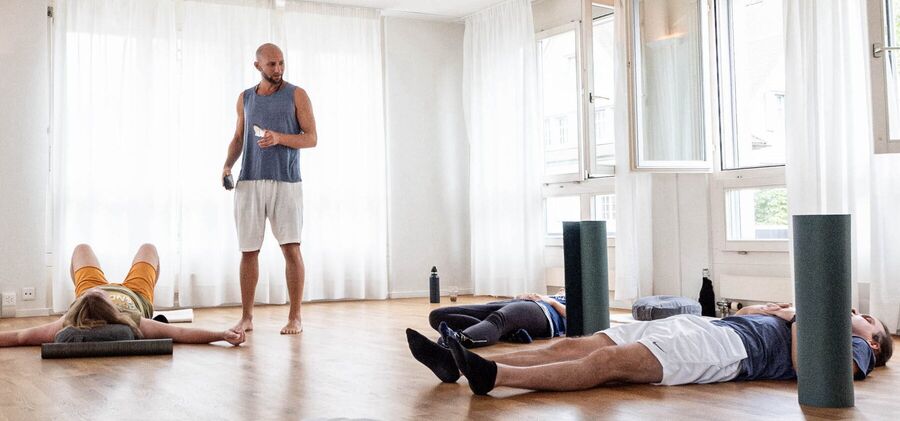
Nico guiding a breathwork integration

"Resist, and the tide will sweep you off your feet. Allow, and grace will carry you to higher ground."

— Danna Faulds

Release

Let the stuck energy move.

This is where allowing becomes motion. Once safety and ease have done their work, the stuck places don't need to be managed or fixed — they need permission. Met with self-compassionate presence, the energy underneath doesn't need convincing; it moves on its own, the way water moves once you stop damming it. Old tension, old bracing, old holding patterns — some held for years, a few since childhood — finally get to complete the movement they were interrupted mid-way through.

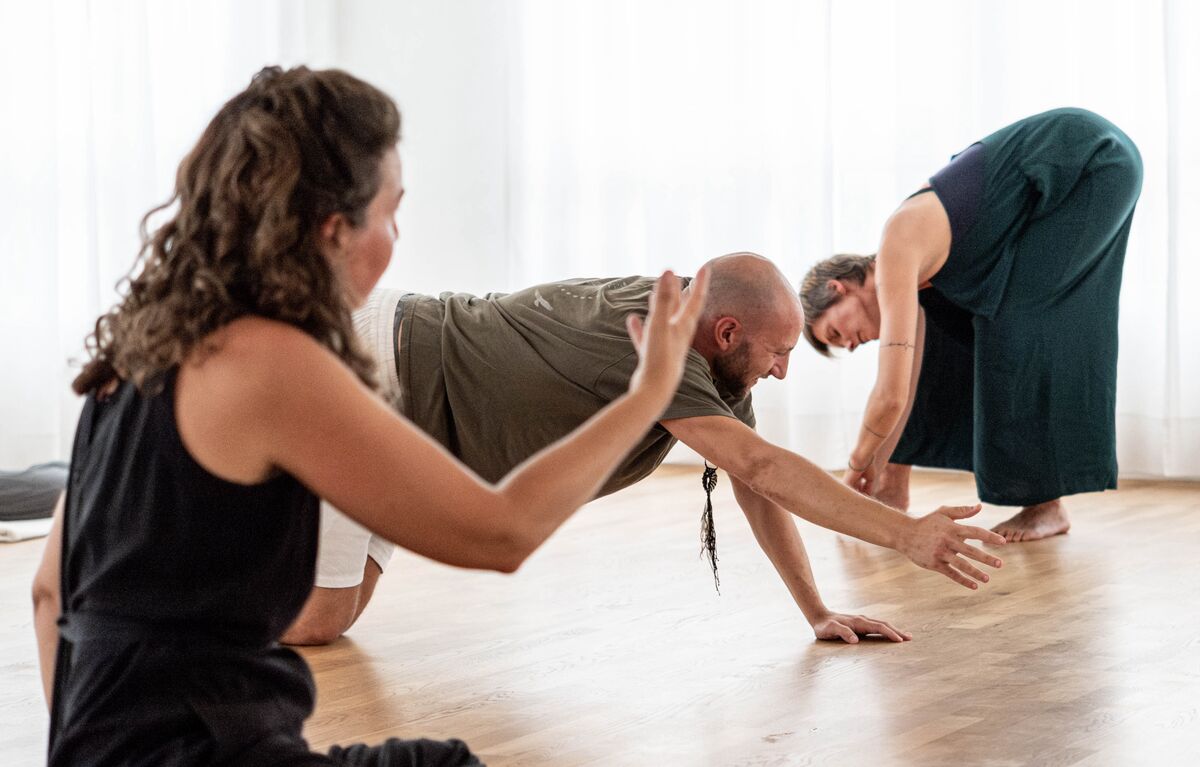
In breathwork, this looks like unwinding — the body moving through shapes and impulses that have nothing to do with what you'd consciously choose, because it's not the thinking mind directing it. Shaking, rocking, sound, tears, movement on hands and knees: none of it is a problem to manage. It's energy that's finally been given permission to move.

Nico unwinding on hands and knees during a breathwork session

A molten core
Churning in the deep
Locked tight for safety
Finds a crack
And begins to flow
Slowly
Melting solid rock
Heat rising
Mesmerizing
Analyzing
No more
It's time to surrender

— from my poem, "Halema'uma'u"

Two paths, one practice

Why breathwork and meditation.

Individually, these are already powerful paths to healing. Put together, there's no limit to where they can take you.

Meditation

Trains the container

A decade of daily contemplative practice built the attention, the felt sense of safety, and the self-compassionate presence that makes deeper breathwork possible — and safe. But unlike breathwork's discrete sessions, meditation is a practice you carry with you all day, every day.

That's what makes attention worth training: not stillness for its own sake, but carrying that same quality of presence into an argument, a hard decision, an ordinary Tuesday — and finding you can meet it with more wisdom, more happiness, more skill.

In private coaching, I also bring in mindful, self-compassionate inquiry methods to help you navigate whatever's alive in your life right now — inspired by Tara Brach, Gabor Maté, and others.

Breathwork

Moves what stillness can't reach

Where meditation is the practice you carry all day, breathwork is the deep dive — 75 to 90 minutes of movement, sound, and expression, going straight to stored stress responses that thinking and sitting alone rarely reach.

It draws on Biodynamic Breathwork & Trauma Release System (BBTRS) — conscious breathing woven with polyvagal theory, Somatic Experiencing, TRE (Trauma Release Exercises), and bioenergetics — plus the deep touch of Myofascial Energetic Release and an understanding of Reichian character structures, reaching all the way to core developmental trauma. Nothing about it is passive: the body moves, the voice sounds, the energy finally gets to go somewhere.

"
With biodynamic breathwork, I've learned to channel that energy to move, to unwind, to express myself. Behaviors and patterns of thinking and feeling that had been so ingrained for so many years could melt and melt and melt away. And I could be at ease with people, at ease teaching, able to enjoy more of life and to finally start getting some sleep after decades of insomnia.
Nico, on his own breathwork practice

Ready to feel it for yourself?

Start with a free discovery call, or see exactly how a session unfolds.